Existing habitats
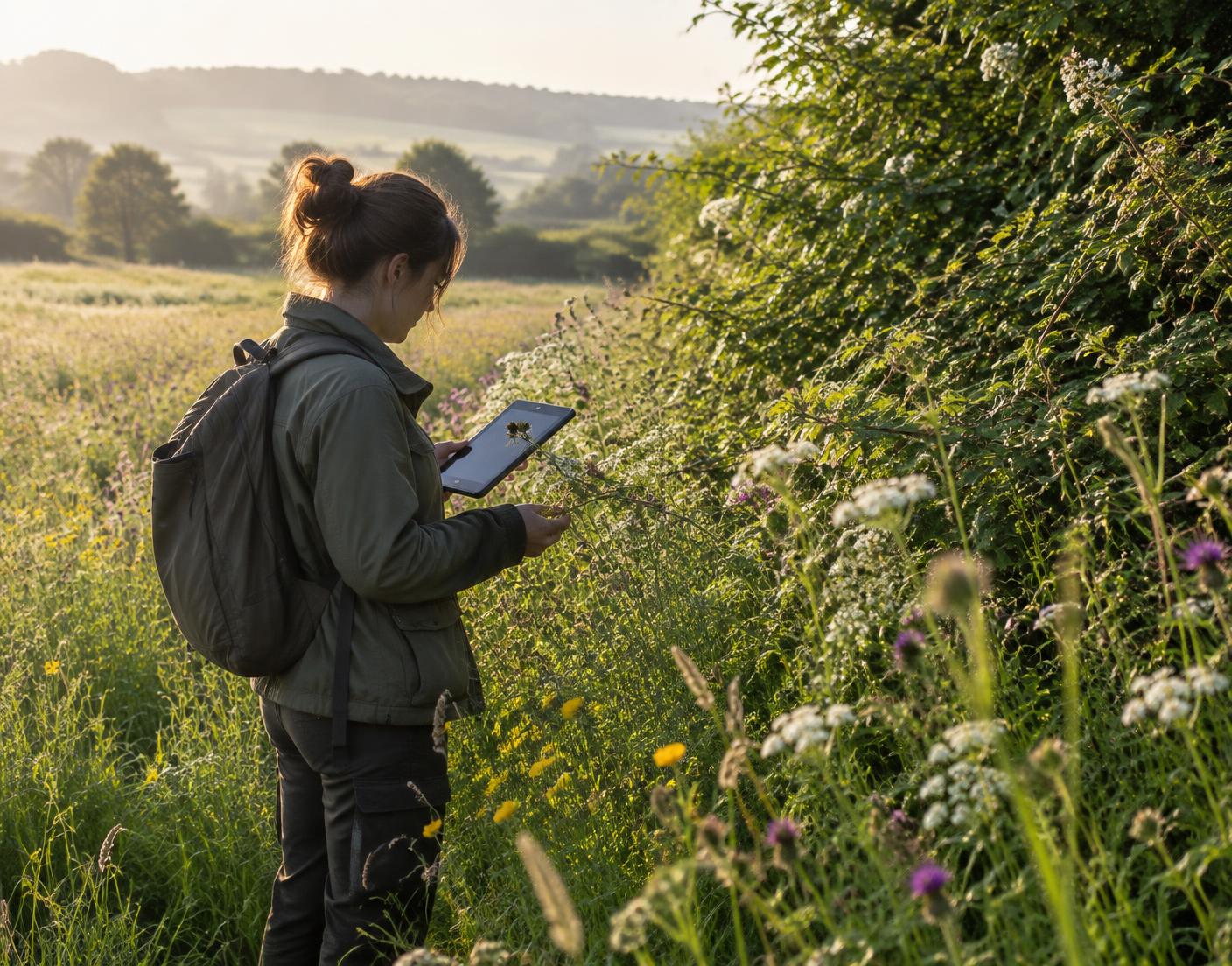
Identify valuable landscape features early and consider opportunities for retention and enhancement.
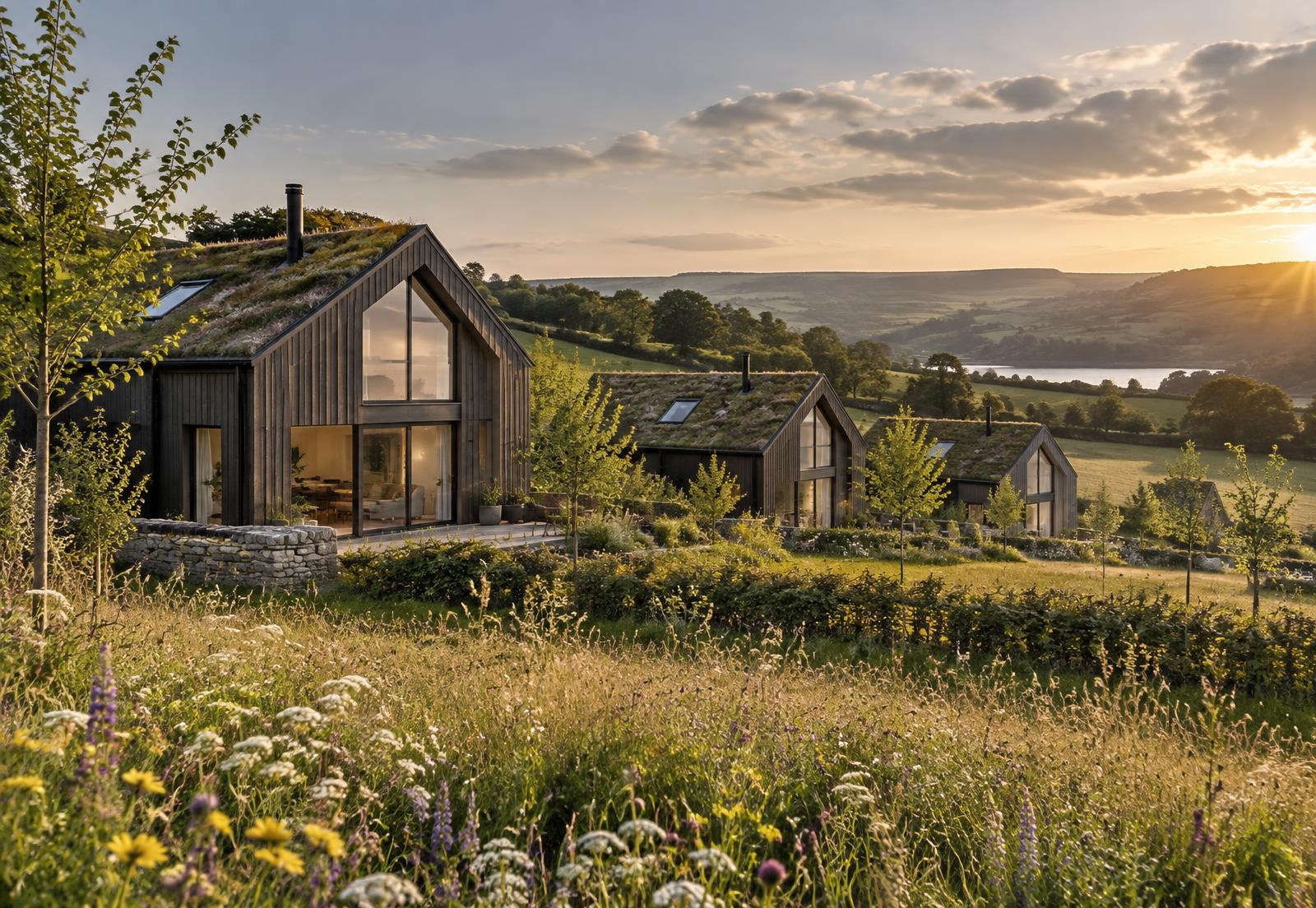
Ecology at the heart of a better place to live.
A landscape-led residential scheme showing how ecology can be considered alongside homes, infrastructure and open space from the beginning of the design process. The approach brings development and biodiversity together — identifying ecological considerations early and using them to inform a stronger overall place.
Better places for generations to come.
Oak Meadows explores a simple idea: what happens when ecology is considered at the beginning of a residential development rather than added at the end?
The site combines new homes with existing landscape features and opportunities for habitat enhancement.
The ecological approach focuses on understanding what is already there, identifying potential constraints early and finding opportunities for the landscape strategy to deliver more for both residents and wildlife.
Rather than treating ecology as a separate workstream, it becomes part of the wider design conversation.
Residential development inevitably changes a site.
The challenge is understanding which ecological features matter, where potential constraints could influence the design and where development can create opportunities for meaningful habitat improvement.
For Oak Meadows, the approach begins with the existing landscape.
Trees, hedgerows, grassland, boundaries, buildings, water and surrounding habitats can all influence how a site is understood.
The objective isn’t simply to identify constraints.
It’s to give the project team enough ecological information to make better decisions while the design still has room to evolve.
The earlier ecology enters the conversation, the more options the project team has.
The starting point is understanding the ecological context of the site and the proposed development.
An initial ecological assessment can identify habitats, landscape features and potential protected-species considerations that may warrant further attention.
That information can then be considered alongside the emerging masterplan.
Instead of asking how ecology can be fitted around a finished design, the better question becomes:
How can the design respond to the ecology of the place?
The resulting strategy can consider opportunities such as retaining valuable existing habitats, strengthening ecological connections, creating new habitat and integrating biodiversity features into buildings and public spaces.
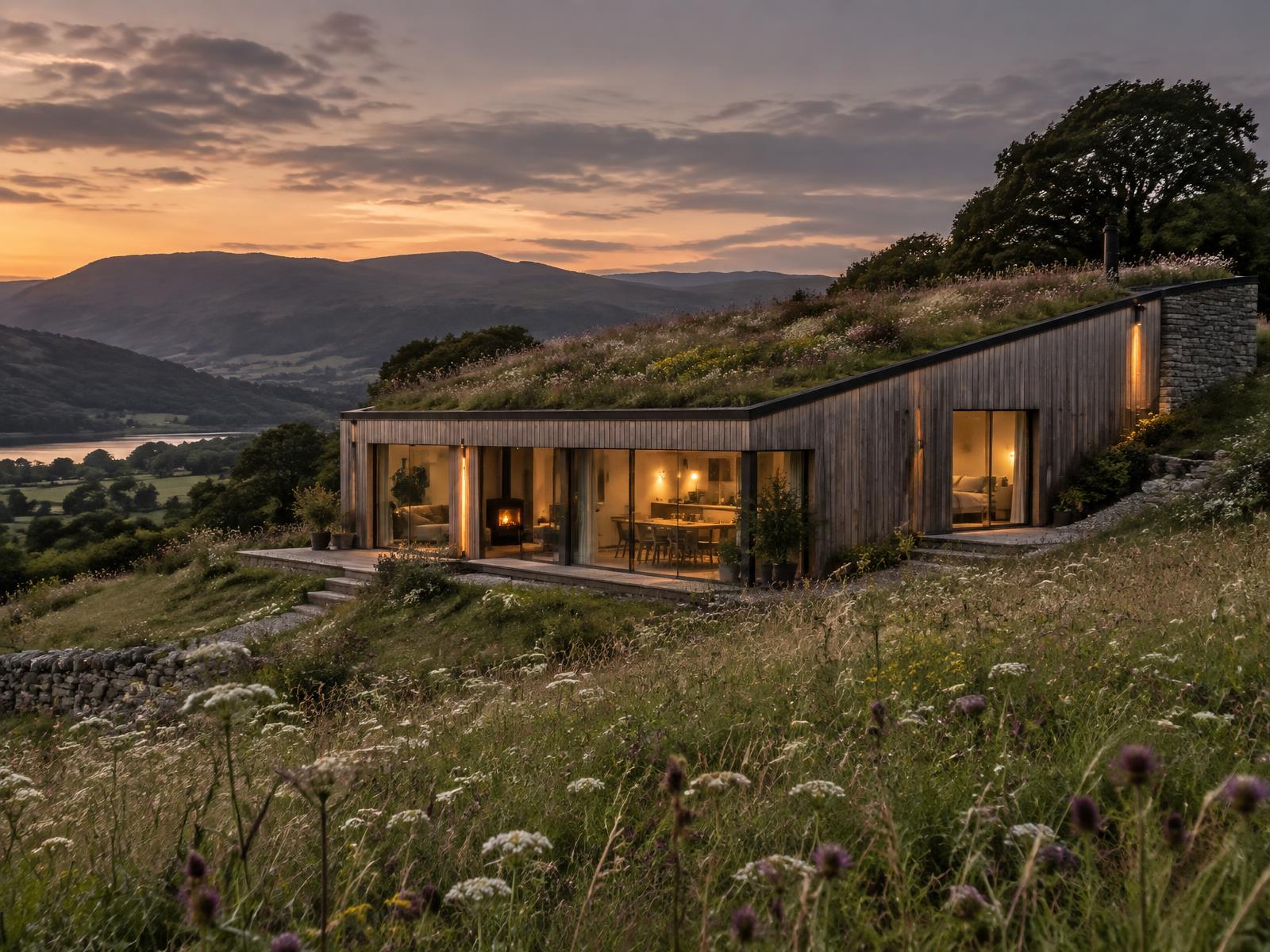
The design question
How can the design respond to the ecology of the place?
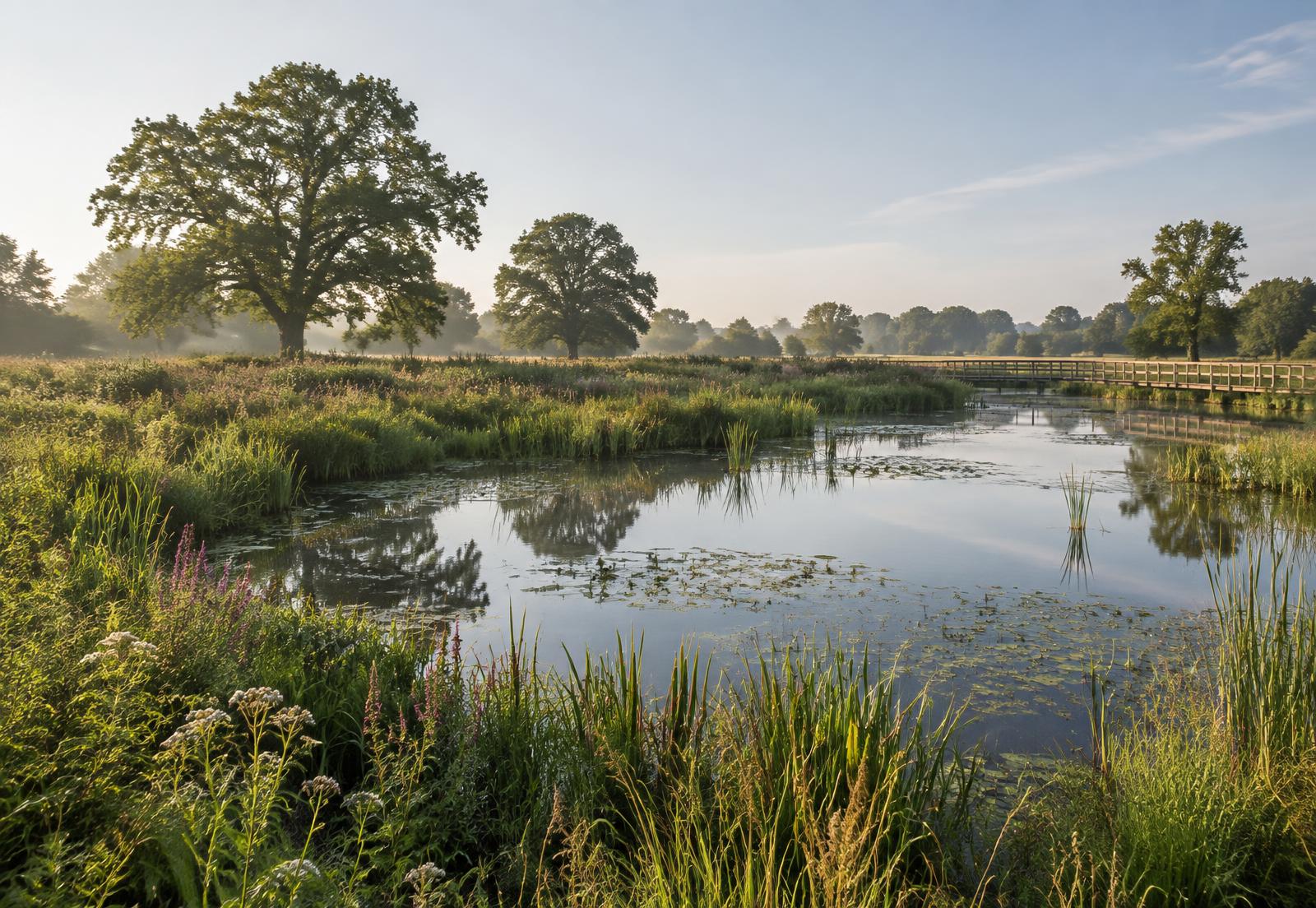
People. Places. Wildlife. Together.
Review the site, surrounding landscape and proposed development.
Identify ecological features, potential constraints and opportunities.
Work alongside the wider project team while the design develops.
Integrate ecological thinking into landscape, layout and built form.
Look for realistic opportunities to create additional habitat and ecological value.
Translate the ecological strategy into clear recommendations for the project.
The Oak Meadows approach shows how ecology can contribute positively to the character of a residential development.
Existing landscape features can help establish the structure of the site.
Habitat creation can become part of the places residents see and use every day.
New planting, ecological connections and wildlife features can be considered alongside homes, streets and public space rather than treated as isolated additions.
The result is a more integrated way of thinking about development: homes for people, habitats for wildlife and a landscape designed to support both.
Identify valuable landscape features early and consider opportunities for retention and enhancement.
Use planting, boundaries and open space to strengthen ecological connections through the site.
Explore opportunities for wildflower areas, native planting, ponds, scrub, hedgerows or other appropriate habitats.
Consider appropriate opportunities for features such as bird nesting provision and bat roosting opportunities within the wider design.
Create landscapes that can provide ecological value while also contributing to attractive places for people to live.
Consider how habitats will establish, mature and be managed beyond the construction phase.
The strongest opportunities often appear when landscape, architecture, drainage, ecology and planning are considered together.
A masterplan can respond to existing ecological features while creating new habitat opportunities through the structure of the development.
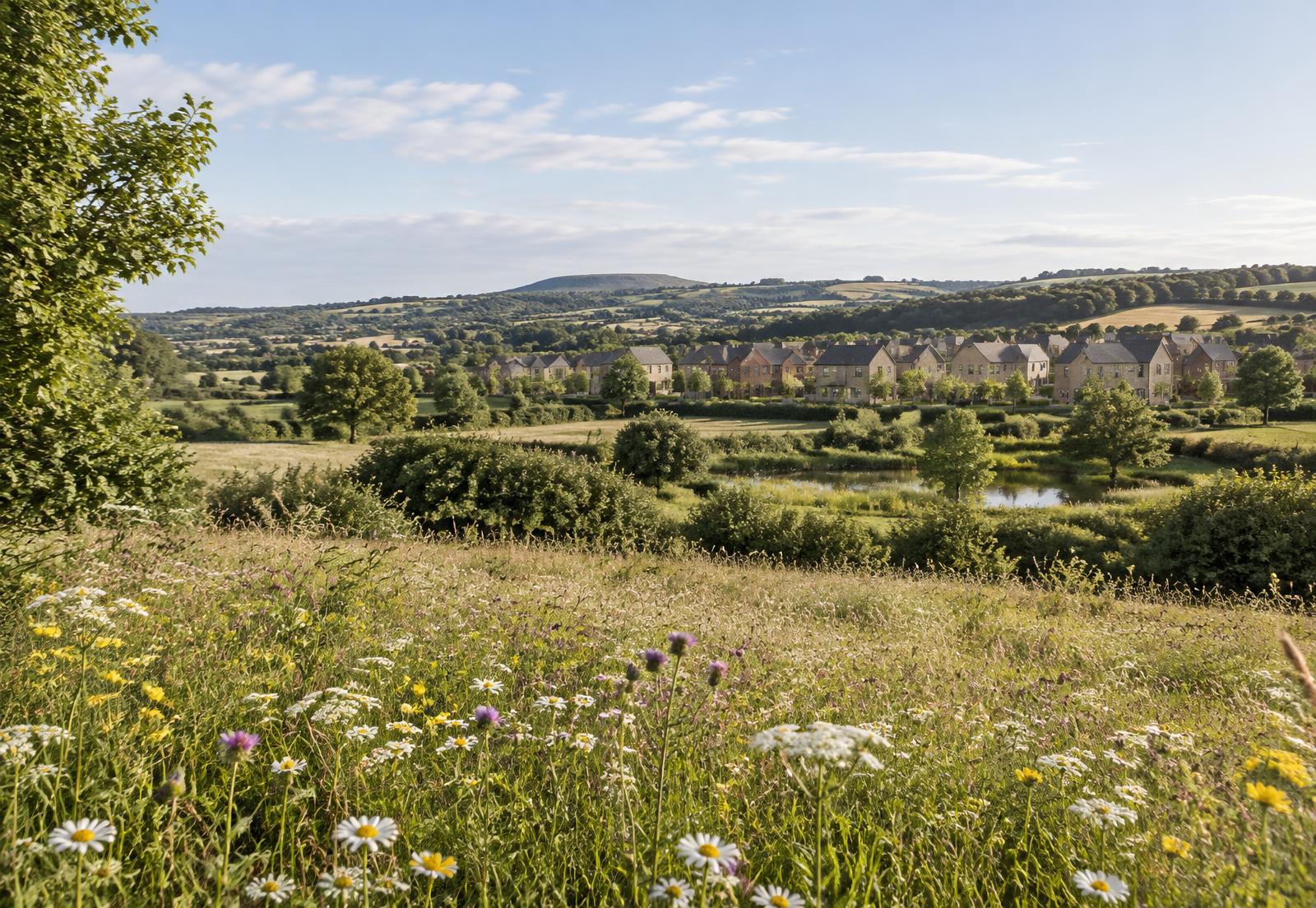
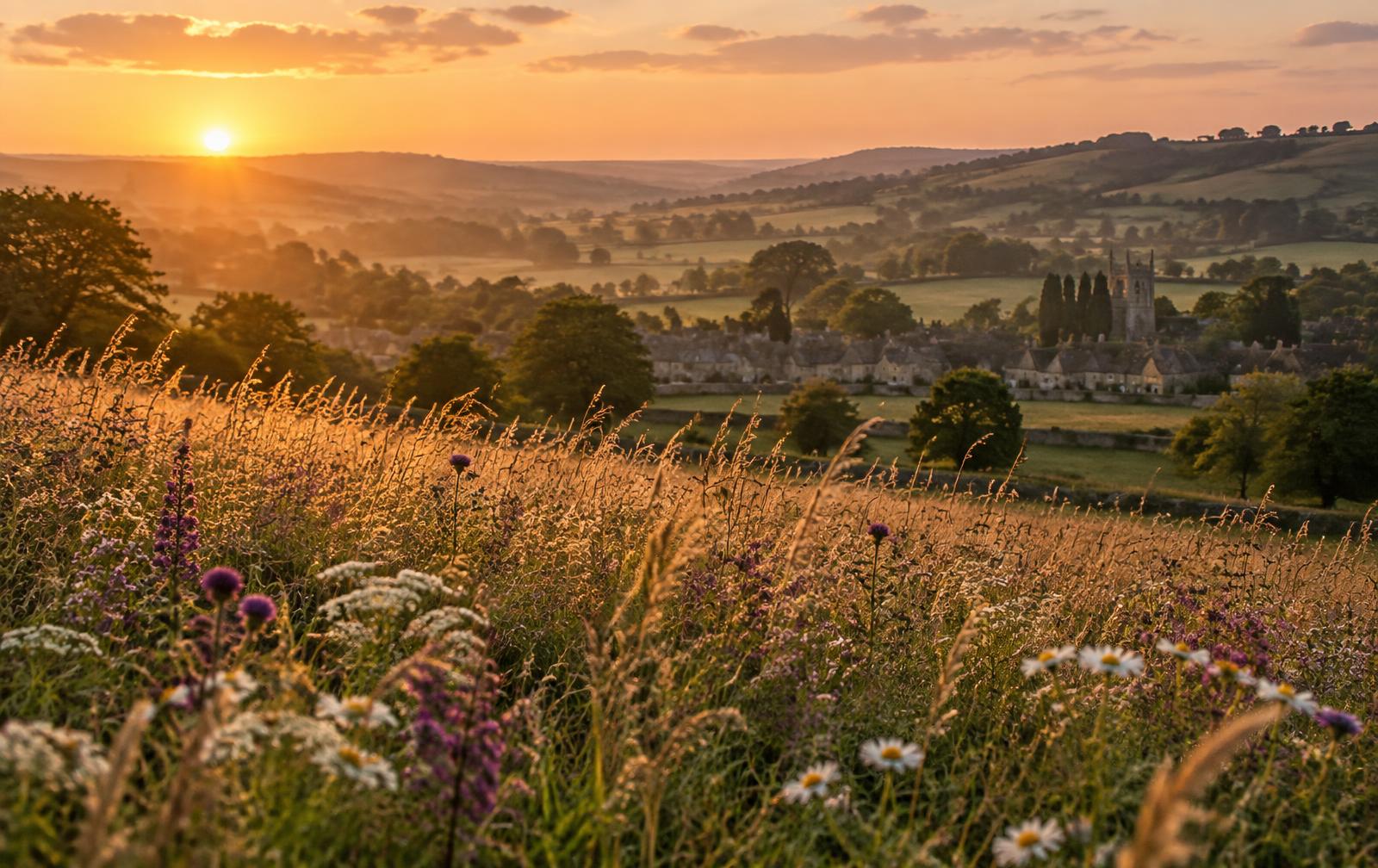
Better ecological design isn’t only about individual species.
It’s about creating healthier landscapes.
Trees, hedgerows, water, planting and habitat can support wildlife while also creating greener streets, attractive open spaces and stronger connections with nature for the people who live there.
That’s where development and ecology become part of the same conversation.
“Nature isn’t a constraint. It’s part of the brief.”
Androbin
When ecological information arrives early enough, it can inform decisions rather than simply react to them.
That means fewer surprises, clearer conversations and more opportunity to create a development that responds intelligently to its landscape.
It’s about understanding the place well enough to make better decisions.
Bring ecology into the project early and it becomes another part of creating a better scheme — alongside architecture, landscape, planning, engineering and everything else that makes a place work.
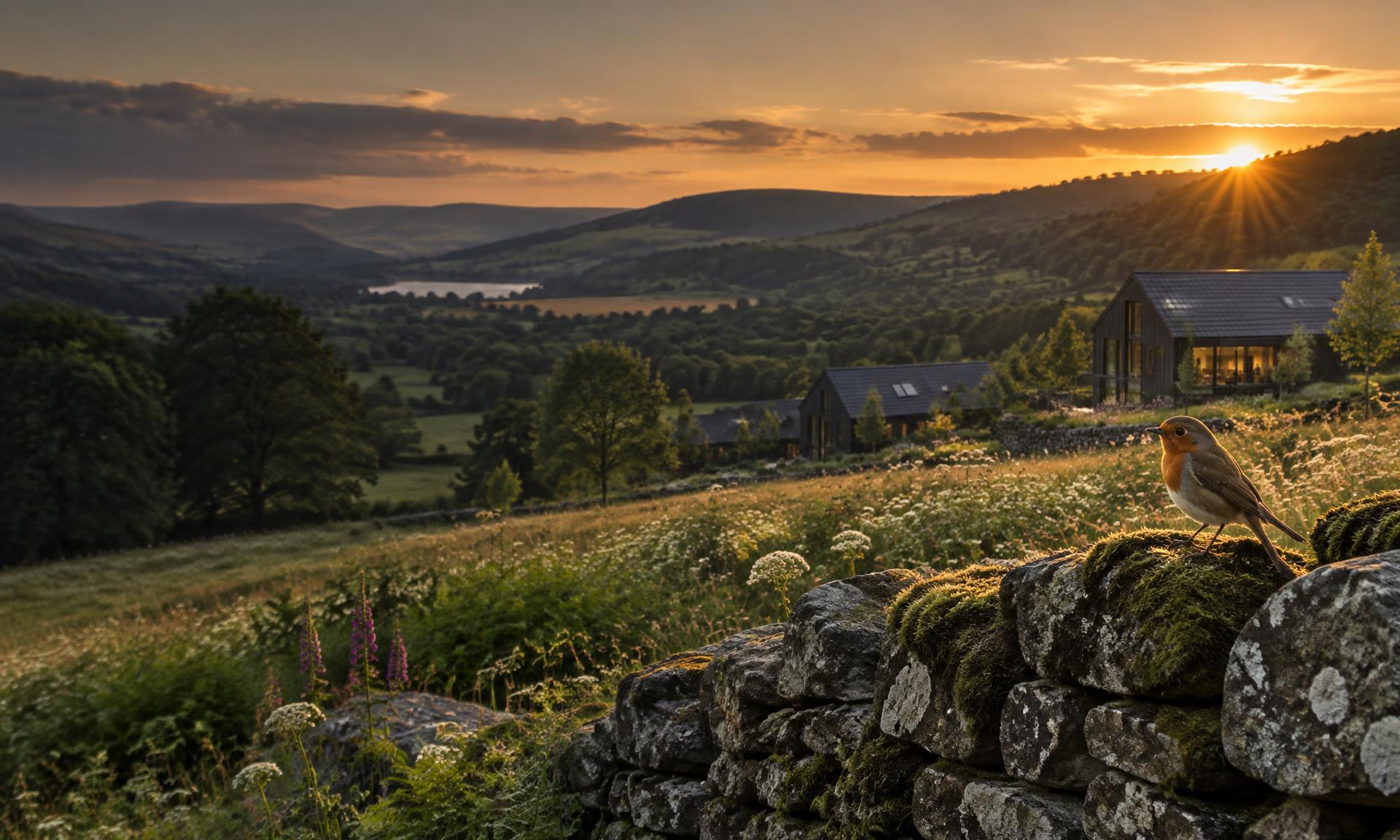
Tell us what you’re planning and we’ll help you understand the ecological considerations, opportunities and sensible next steps.