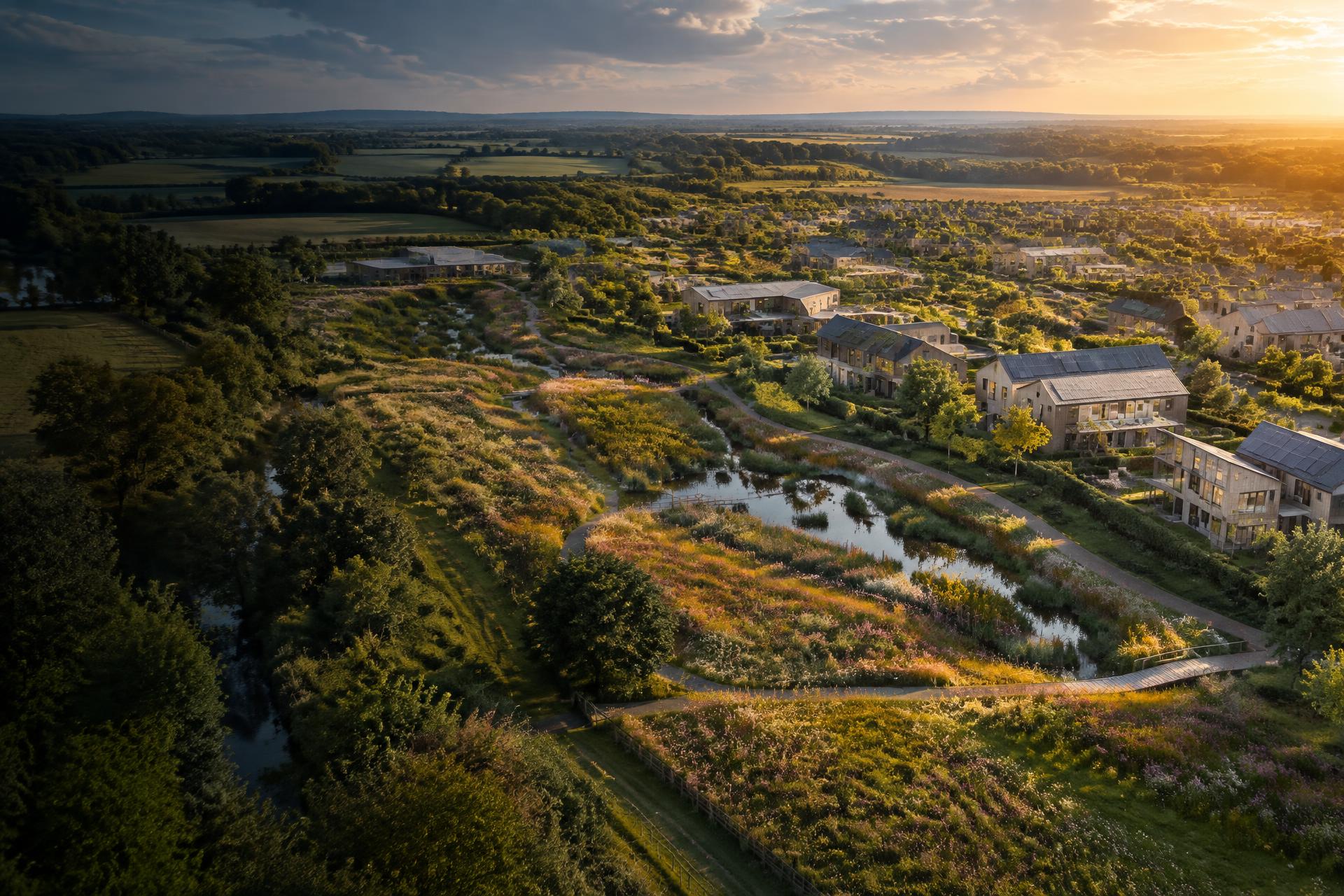
Better development. More nature.
Practical Biodiversity Net Gain support from early design through to delivery.
- Baseline habitat evidence
- Design-team collaboration
- Clear calculations
- Delivery and management
A measurable approach to leaving biodiversity in a better state.
Biodiversity Net Gain, or BNG, compares the habitat value before and after development. It gives project teams a structured way to consider losses, improvements and long-term habitat outcomes.
The right approach depends on the site, proposal and current requirements. We help turn the ecological evidence into practical design and delivery decisions.
Questions project teams ask.
BNG can affect land, layout, programme and long-term management, so the useful questions are practical ones.
Does BNG apply?
This depends on the project, location and current framework. We can help establish what is relevant without assuming one answer fits every site.
How is it measured?
Habitat types, condition and distinctiveness inform a structured calculation, supported by appropriate field evidence and design information.
Can it shape design?
Yes. Retaining stronger habitats and planning connected new habitat can influence layout, access, drainage and landscape design.
When should we start?
Early enough for the findings to influence land use and design choices rather than simply record decisions already made.
What about off-site delivery?
If the intended outcome cannot be achieved entirely on site, other routes may need consideration. The appropriate route depends on the project and current requirements.
What will we receive?
A clear evidence trail, calculations and practical strategy proportionate to the project stage.
From baseline to lasting habitat.
BNG works best as a design process, not a calculation added at the end.
- 01
Baseline
Understand existing habitats, their condition and the project context.
- 02
Design
Work with the team to avoid losses and explore realistic opportunities.
- 03
Calculate
Test the emerging design through the appropriate metric and evidence.
- 04
Enhance
Develop habitat proposals that are practical, connected and suited to place.
- 05
Deliver
Translate commitments into clear plans and implementation requirements.
- 06
Manage
Set out how habitats can be maintained, monitored and adapted over time.
More options. Better places.
Considering biodiversity alongside layout, drainage, landscape and access can reveal opportunities that are difficult to recover later.
Early collaboration helps distinguish between habitats worth retaining, places that can be enhanced and proposals that need further testing.
- Retain valuable habitat
- Connect green infrastructure
- Coordinate landscape and drainage
- Plan realistic management
What you need to plan for.
How long does BNG work take?
It depends on site evidence, design maturity, habitat complexity and whether options need testing. It can develop alongside the wider design programme.
How does it relate to planning?
BNG information may form part of the ecological and design evidence for planning. The appropriate scope depends on the proposal and current requirements.
What might it cost?
Tell us about your project and we’ll provide a clear proposal for the work we believe is appropriate.
Clear answers about biodiversity net gain.
See the wider ecological picture.
Make ecology part of the plan.
Tell us about the site and we’ll help identify an appropriate next step.