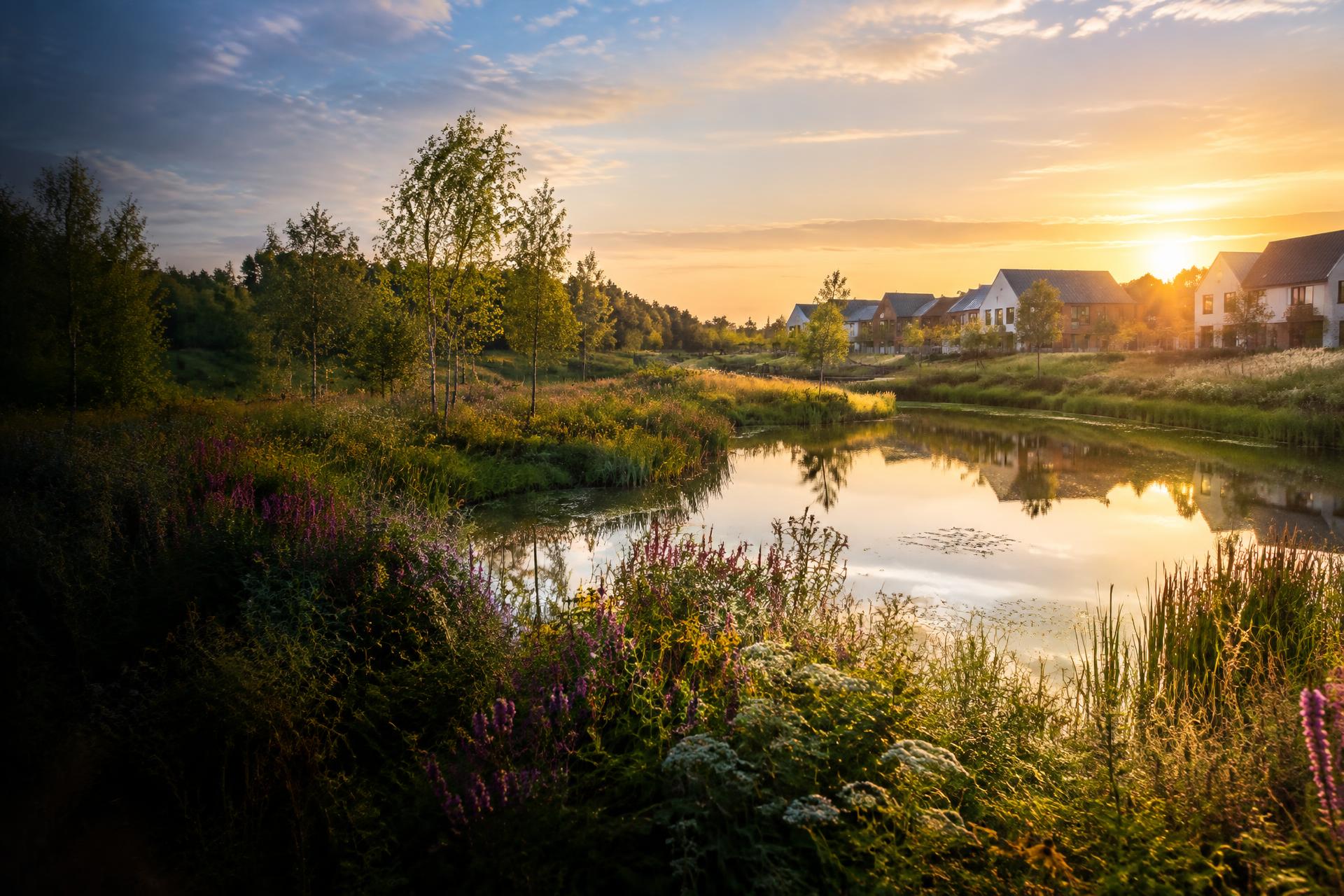
Don’t just protect nature. Create more of it.
Practical habitat design and ecological enhancement that creates lasting value.
- Place-led design
- Practical specifications
- Connected habitats
- Long-term thinking
Make space for nature to thrive.
Habitat creation turns ecological ambition into places that can work for wildlife and people. The strongest schemes respond to soil, water, landscape character, species needs and how the land will be managed.
We help shape practical proposals that are beautiful, connected and realistic to establish—not decorative ecology added at the end.
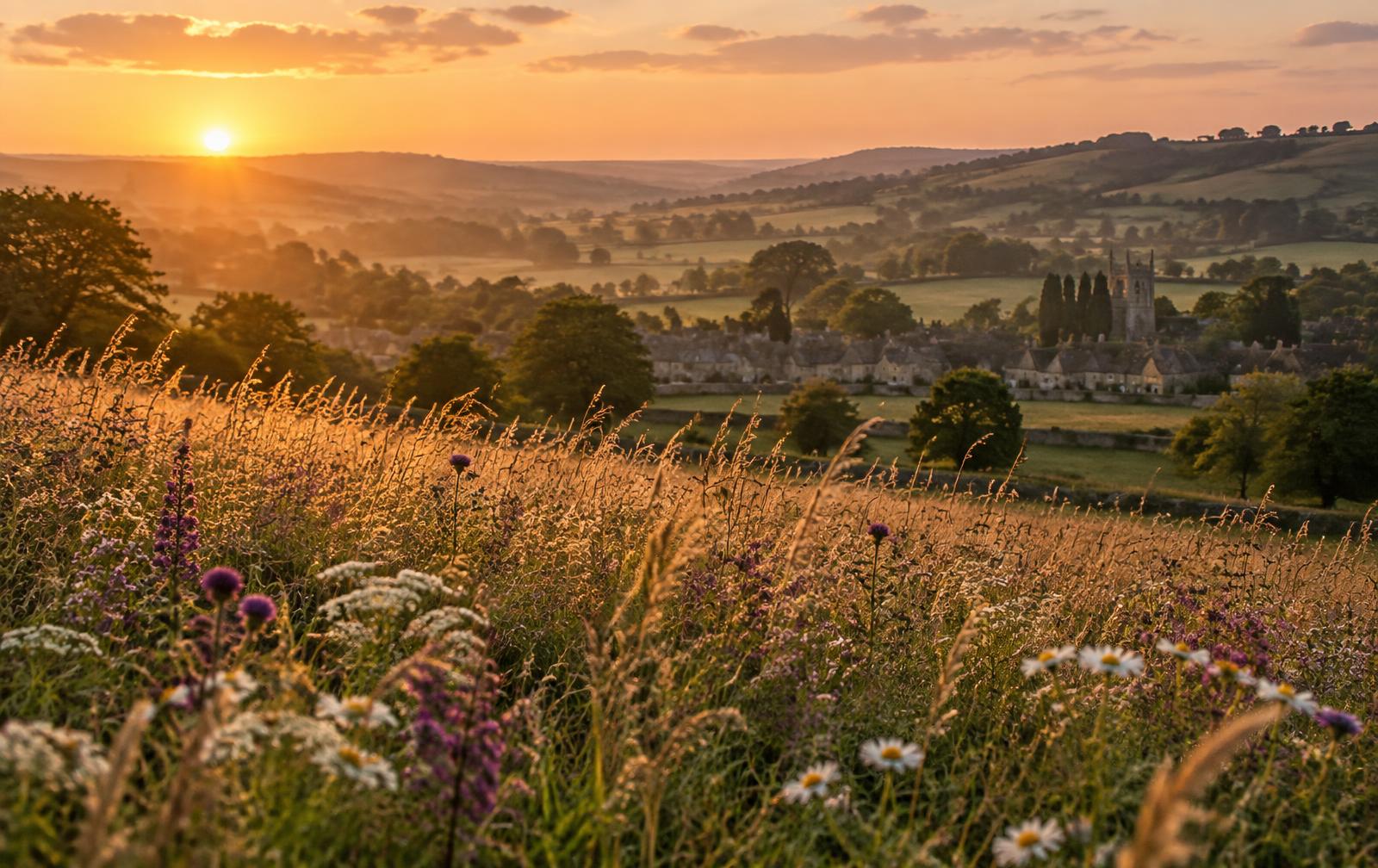
Before. Intervention. Future.
A good habitat plan starts with what is already there and carries the ecological intent into management.
- 01
Before
Understand soils, water, existing habitats, connections and how people use the place.
- 02
Intervention
Design suitable habitat, planting, structures and establishment measures around the project.
- 03
Future
Set clear management and monitoring principles so habitats can develop over time.
A richer landscape toolkit.
Different habitats can work together as one connected landscape rather than isolated features.
Wildflower habitats
Grassland and meadow proposals suited to local conditions, establishment and future management.
Native hedgerows
Species-rich boundaries and connecting features with practical maintenance in mind.
Ponds & wetlands
Aquatic and wetland habitats that can support wildlife and complement landscape or drainage thinking.
Woodland & scrub
Structure, shelter and habitat diversity designed for the character and scale of the site.
Species features
Purposeful nesting, roosting or refuge opportunities located where they can provide value.
Habitat enhancement
Improve existing features as well as create new ones.
Long-term management
Clear actions that recognise habitats change, mature and need responsive care.
People. Places. Wildlife. Together.
Habitat should make a place feel more rooted, useful and alive. It can support wildlife while contributing to character, wellbeing, drainage and the everyday experience of a development.
The opportunity is not simply to replace what is lost, but to create a landscape with a stronger future.
- Beautiful places
- Ecological function
- Practical management
- Long-term value
What you need to plan for.
When should design begin?
Early enough to coordinate habitat with layout, levels, drainage, access and landscape design.
What happens after planting?
Establishment and management matter. The approach should describe how habitats will be cared for and reviewed over time.
What might it cost?
Tell us about your project and we’ll provide a clear proposal for the work we believe is appropriate.
Clear answers about habitat creation.
See the wider ecological picture.
Make ecology part of the plan.
Tell us about the site and we’ll help identify an appropriate next step.