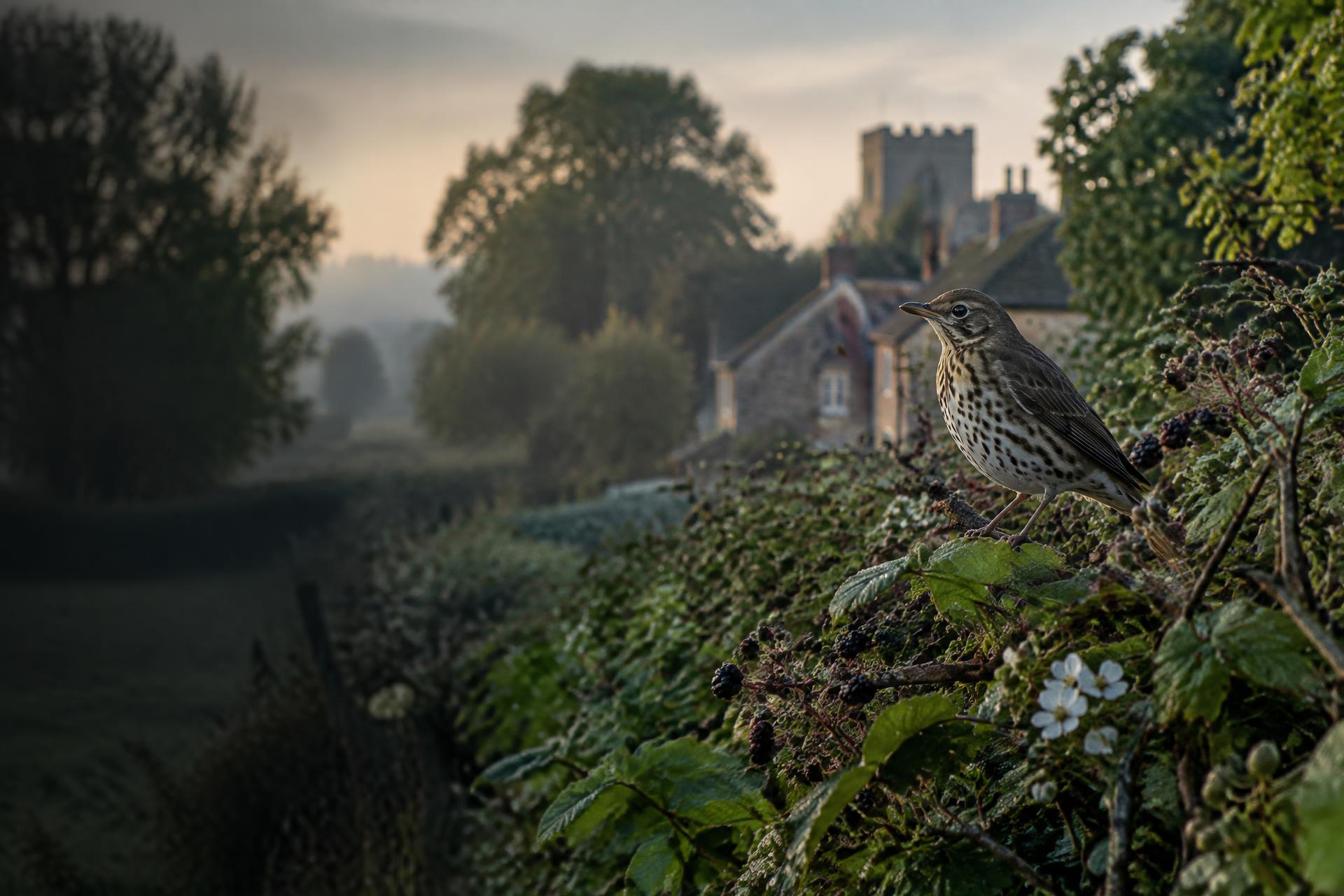
Plan the work. Protect the wildlife. Keep moving.
Clear ecological advice where development could affect nesting or important bird habitats.
- Nesting bird advice
- Habitat-focused surveys
- Work planning
- Mitigation and enhancement
Right place. Right time. Right approach.
Buildings, trees, hedgerows, scrub, grassland and wetland can all support birds in different ways. What matters depends on the habitats present, the species using them and the work proposed.
Planning potentially disruptive work early can help the team avoid preventable conflicts and understand whether more detailed evidence may be appropriate.
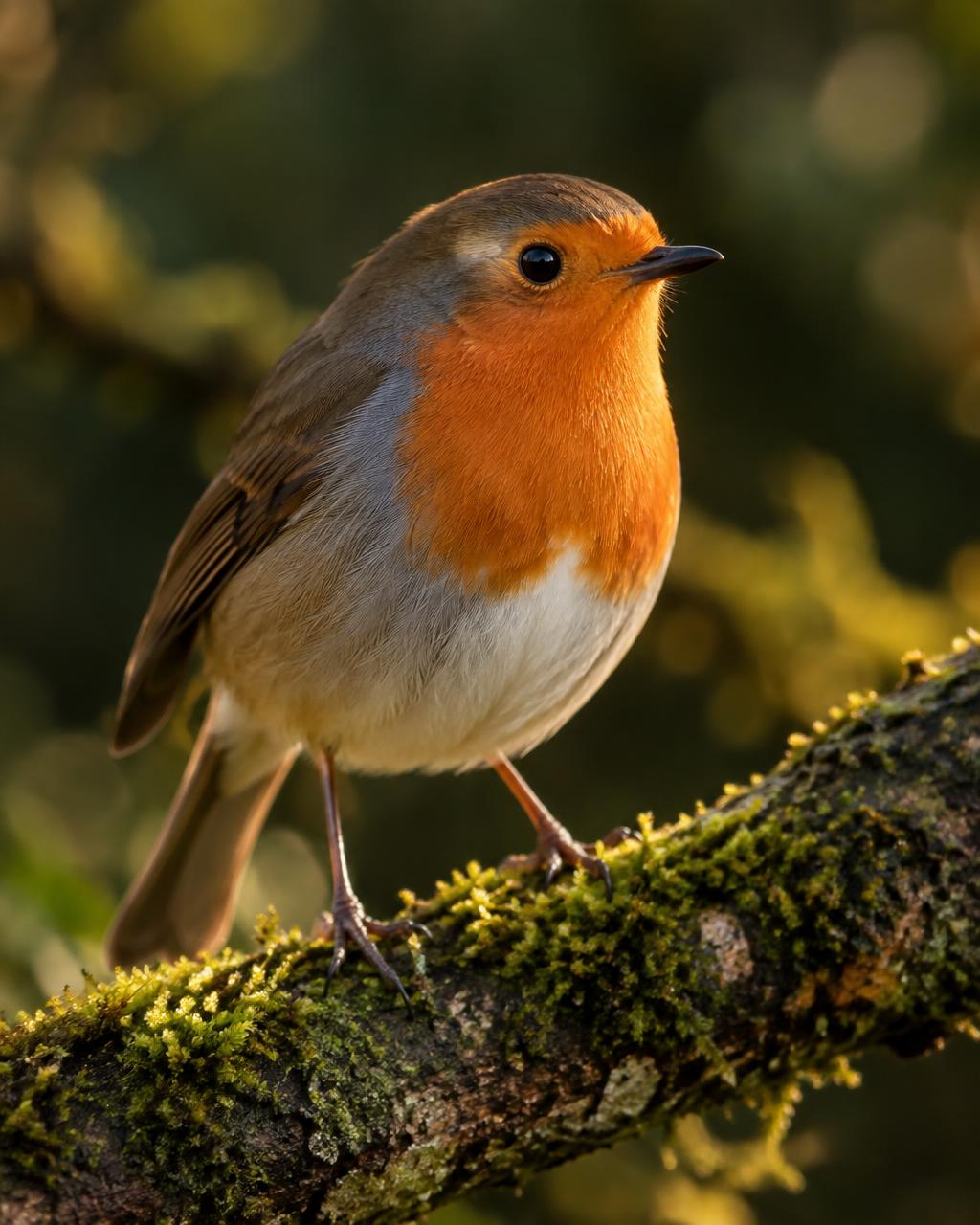
Understand the habitat and the work.
Bird survey and advice should be matched to the ecological question—not driven by one simplistic calendar date.
- 01
Review
Understand habitats, proposed work and available bird information.
- 02
Define
Identify whether a check, targeted survey or broader assessment may be useful.
- 03
Observe
Undertake appropriate fieldwork where evidence is needed.
- 04
Advise
Explain constraints, timing considerations and practical measures.
- 05
Enhance
Identify opportunities for nesting, feeding and connected habitat.
Where bird advice can help.
Different sites and project stages raise different questions.
Nesting birds
Advice where vegetation, structures or other features could support active nests.
Breeding bird surveys
Targeted assessment where the breeding bird community may be relevant to the proposal.
Wintering birds
Consideration of winter use where habitats and project context make it relevant.
Buildings & nests
Review of building features and works that could affect nesting opportunities.
Trees & hedgerows
Assessment and work-planning advice for valuable nesting and foraging habitat.
Vegetation clearance
Practical planning to reduce the risk of disturbing active nests.
Mitigation & enhancement
Measures shaped around the species, habitat and effects identified.
There is no single date that answers every bird question.
Nesting activity varies between species, locations, habitats, weather and individual years. Some bird surveys also need to understand use at different times of year.
The safe and useful approach is to plan potentially disruptive work around site-specific advice rather than assume one universal season applies in every circumstance.
- Programme clearance early
- Protect active nests
- Retain useful habitat
- Build enhancement into design
What you need to plan for.
How could birds affect planning?
Bird information may be relevant where works could affect important habitats, notable assemblages or protected nesting activity. The scope depends on the project.
What happens if a nest is found?
Avoid disturbing it and seek ecological advice. The correct response depends on the species, location, stage of nesting and planned activity.
What might it cost?
Tell us about your project and we’ll provide a clear proposal for the work we believe is appropriate.
Not sure whether trees, hedgerows or buildings make birds relevant to your works?
Tell us about your site and we’ll highlight some of the ecological considerations worth thinking about.
Clear answers about bird surveys.
Make ecology part of the plan.
Tell us about the site and we’ll help identify an appropriate next step.